
Medically reviewed by Assoc. Prof. Dr. Tuncay Taş
Premature ejaculation is the most common male sexual complaint, and it responds well to treatment. Both the American and European urology guidelines put daily SSRIs, on demand dapoxetine and topical lidocaine sprays first, ahead of any surgery. In pooled phase 3 trials, dapoxetine 60 mg lifted average time to ejaculation from 0.9 to 3.6 minutes, and pooled trial data credit EMLA cream with 6.44 extra minutes over placebo. Dr. Tuncay Tas builds each plan from that evidence, starting with the least invasive option. Every consultation stays confidential.
Free Consultation
Our team responds within one business day, personally and confidentially.
Four numbers that set realistic expectations, taken from population surveys, pooled randomised trials and the current urology guidelines rather than from marketing copy.
Median time from penetration to ejaculation in the general male population, measured by stopwatch in 500 couples across five countries. The full range ran from 0.55 to 44.1 minutes.
Share of men with bothersome clinical premature ejaculation once distress and loss of control are required for the diagnosis, against the 30% who self report ejaculating early.
Average time to ejaculation with on demand dapoxetine 60 mg in pooled phase 3 trials, against 1.9 minutes on placebo and 0.9 minutes at baseline.
Extra time to ejaculation with EMLA topical anaesthetic over placebo, pooled across 11 randomised trials covering 2,008 men.
Meta-analysis
“Use either dapoxetine or a lidocaine/prilocaine spray as first-line treatments.”
European Association of Urology, Disorders of Ejaculation, strong recommendation · EAU Guidelines
Every figure on this page is attributed to the published source named beside it, with the primary guidelines and studies linked above. Treatment response varies between individuals, and none of these numbers can be promised to any one patient.

Premature ejaculation means ejaculating sooner than wanted, with little sense of control over it, and being bothered by it. The AUA and SMSNA describe lifelong premature ejaculation as poor ejaculatory control, associated bother, and ejaculation within about 2 minutes of initiation of penetrative sex
, while the International Society for Sexual Medicine defines it as a male sexual dysfunction in which ejaculation always or almost always occurs prior to or within about 1 minute of penetration
.ISSM Timing on its own is not the diagnosis: the loss of control and the distress both have to be there.
There is no single normal figure to measure yourself against. In a five nation survey published in The Journal of Sexual Medicine, researchers handed stopwatches to 500 couples in the Netherlands, the United Kingdom, Spain, Turkey and the United States and recorded a median time to ejaculation of 5.4 minutes, spread across a range from 0.55 to 44.1 minutes. Turkish men recorded the shortest median at 4.4 minutes and British men the longest at 10.0 minutes, and neither circumcision nor condom use shifted the result.
The condition is also less common than the widely quoted figures suggest. Estimates across the review literature range from 4% to 39% depending on how the question is asked, because most surveys never check whether the man is actually distressed or lacks control. The AUA and SMSNA put the real figure far lower.
“A synopsis of the most contemporary literature on early ejaculation occurring in the context of distress and absence of sense of control estimates that less than 5% of men have bothersome clinical PE.”
AUA/SMSNA Disorders of Ejaculation Guideline
Clinically, the condition splits into two forms:
Acquired cases are worth investigating carefully, because the EAU lists erectile dysfunction, prostate inflammation, hyperthyroidism, diabetes, metabolic syndrome, obesity and emotional stress among the recognised contributors. Treating the underlying problem frequently resolves the ejaculation complaint on its own, which is why assessment comes before any prescription.
Dr. Tas assesses each patient individually and builds a plan from the options the guidelines rank highest, adding a second treatment only when a single one falls short.
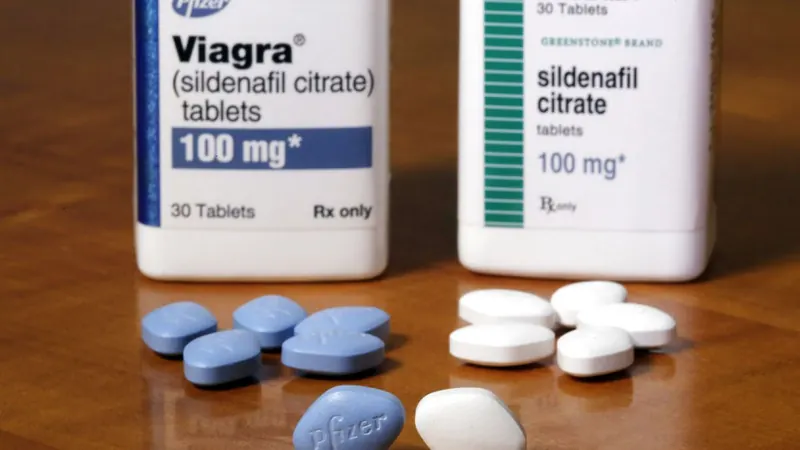
The Most Widely Prescribed Approach for PE
Oral medication is the usual starting point, especially for lifelong premature ejaculation with a neurobiological basis. SSRIs delay ejaculation by acting on serotonin pathways, and the effect is measurable in stopwatch trials rather than a matter of impression.
“Clinicians should recommend daily SSRIs; on demand clomipramine or dapoxetine (where available); and topical penile anaesthetics as first-line pharmacotherapies in the treatment of premature ejaculation.”
AUA/SMSNA Guideline, statement 9, strong recommendation, evidence level B
Dapoxetine (Priligy) is the only SSRI licensed specifically for premature ejaculation and is taken 1 to 3 hours before intercourse. Across the pooled phase 3 programme, summarised in the NICE evidence review linked above, average time to ejaculation rose from 0.9 minutes at baseline to 3.1 minutes on 30 mg and 3.6 minutes on 60 mg, against 1.9 minutes on placebo. In geometric mean terms that is a 2.5 fold and 3.0 fold increase.
| Outcome | Placebo | 30 mg | 60 mg |
|---|---|---|---|
| Average time to ejaculation | 1.9 min | 3.1 min | 3.6 min |
| Rated control good or very good | 11.2% | 26.2% | 30.2% |
| Stopped due to side effects | 1.0% | 3.5% | 8.8% |
Baseline time to ejaculation was 0.9 minutes in every arm. The side effect column matters as much as the efficacy column, and it is the reason Dr. Tas usually starts at 30 mg.
Where dapoxetine is unavailable or insufficient, a daily SSRI is prescribed off label. Paroxetine produces the strongest ejaculation delay of the class: a systematic review of 19 randomised trials published in BMC Urology found daily paroxetine 20 mg added 2.96 minutes over placebo (95% confidence interval 0.63 to 5.29 minutes), and it also beat fluoxetine by 0.54 minutes and escitalopram by 0.2 minutes. The trade off is timing: a daily SSRI needs 1 to 2 weeks before the full effect appears, whereas dapoxetine works from the first dose.
The two conditions overlap far more often than most men expect. In a consecutive series of 4,024 men attending a sexual medicine clinic, reported in Andrology, 19.4% complained of erectile dysfunction and premature ejaculation together, and the authors record that premature ejaculation is present in up to 30% of men with erectile dysfunction. Anxiety about losing the erection shortens the time to ejaculation, and ejaculating early undermines confidence in the erection, so treating only one half of the problem tends to disappoint. Where both are present, a phosphodiesterase-5 inhibitor such as sildenafil or tadalafil is added to the SSRI.
Reducing Penile Sensitivity to Delay Ejaculation
Topical agents blunt hypersensitivity of the glans, which is the mechanism behind a large share of lifelong cases. They are applied only when needed, and because almost nothing is absorbed into the bloodstream they avoid the systemic side effects of an oral SSRI.
On the pooled evidence they are the strongest first line option available. A systematic review and meta-analysis in Sexual Medicine Reviews, covering 11 randomised trials and 2,008 men, measured how much time each formulation added over placebo.
| Formulation | Added time |
|---|---|
| SS cream | 6.49 min |
| EMLA (lidocaine and prilocaine cream) | 6.44 min |
| Lidocaine | 4.49 min |
| TEMPE / Fortacin spray | 2.26 min |
“Topical anesthetics increase IELT in men with premature ejaculation more effectively than placebo, sildenafil, tadalafil, paroxetine, and dapoxetine.”
Sexual Medicine Reviews, systematic review and meta-analysis of 11 trials covering 2,008 men
The metered spray is applied about 5 minutes before intercourse. In its phase 3 trial, published in BJU International, average time to ejaculation rose from 0.6 minutes at baseline to 3.8 minutes, a 6.3 fold increase, against a 1.7 fold increase on placebo. EMLA cream works on the same two agents but is applied 20 to 30 minutes beforehand and then wiped off.
Getting the dose and the timing right is what separates a good result from numbness, so Dr. Tas walks through application in detail at the consultation.

Retraining Ejaculatory Control Through Structured Techniques
Behavioural techniques build awareness of rising arousal and train voluntary control over the ejaculatory reflex. They cost nothing, carry no side effects, and suit acquired premature ejaculation and cases with a clear psychological component. Their real value shows up when they run alongside medication rather than instead of it.
“Clinicians should advise men with premature ejaculation that combining behavioral and pharmacological approaches may be more effective than either modality alone.”
AUA/SMSNA Guideline, statement 13, moderate recommendation, evidence level B
A systematic review in Sexual Medicine pooled 10 randomised trials covering 521 men. Of the four trials that compared behavioural therapy against a waiting list, two reported differences in time to ejaculation of 7 to 9 minutes using the squeeze technique, the stop-start technique and sensate focus, while the other two, testing web based sensate focus and a stimulation device, found no difference at all. Three further trials compared behavioural therapy plus medication against medication alone and favoured the combination, though by a smaller margin of 0.5 to 1 minute.
The honest reading is that the evidence base is small and mixed, and that hands on physical techniques have more support than app based programmes. The EAU reflects that by recommending behavioural, cognitive and couple therapy in combination with drug treatment rather than on its own.
Stimulation pauses just before the point of ejaculatory inevitability, waits for the sensation to fade, then resumes. Repeated over weeks, this sharpens recognition of the point of no return.
At the point of near ejaculation, gentle pressure is applied to the glans for several seconds to pull arousal back down. Both techniques need consistent practice over several weeks before they hold under pressure.
Where anxiety, performance pressure or relationship strain is driving the problem, work with a psychosexual therapist, alone or as a couple, addresses the cause rather than the symptom. Combined with medical treatment it produces the most durable results.
A Last Resort, and Classified as Experimental
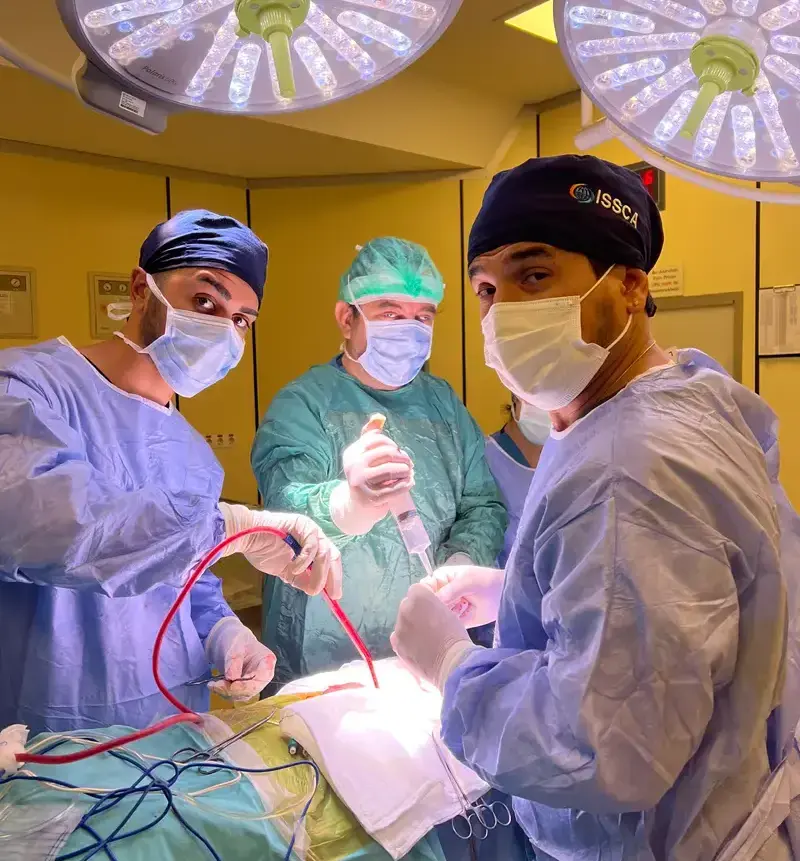
We list this option because men ask about it, and we state its status plainly rather than presenting it as routine surgery. Selective dorsal neurectomy cuts a portion of the dorsal nerve branches of the penis to reduce the sensory input reaching the ejaculatory centre. It is performed under local or spinal anaesthesia and takes 30 to 60 minutes.
“Clinicians should inform patients that surgical management (including injection of bulking agents) for premature ejaculation should be considered experimental and only be used in the context of an ethical board-approved clinical trial.”
AUA/SMSNA Guideline, statement 15, expert opinion
The AUA and SMSNA classify surgery for premature ejaculation as experimental, and the EAU guideline on disorders of ejaculation makes no surgical recommendation for the condition at all. The concerns behind that position are permanent numbness of the glans and anorgasmia, both of which are irreversible if they occur. Anyone considering this operation should weigh it against medication and topical therapy, which are reversible and better evidenced.
The strongest single study is a randomised controlled trial published in The Journal of Sexual Medicine. Among 96 men who had both a redundant foreskin and premature ejaculation, 48 underwent selective dorsal neurectomy and 48 did not. Postoperative time to ejaculation reached 257.7 seconds, roughly 4.3 minutes, in the operated group against 49.3 seconds in the unoperated group. The operated men also reported better ejaculatory control and lower Premature Ejaculation Diagnostic Tool scores, and the authors observed no permanent glans numbness, wound infection or haematoma in that series.
Two limits are worth naming. Every participant had a redundant foreskin, so the result does not automatically transfer to other men, and the follow up in the published series is short compared with the permanence of cutting a nerve. Most of the reported experience comes from centres in East Asia and Turkey rather than from the trials Western guidelines rely on.
Surgery is raised only after daily SSRIs, on demand dapoxetine, topical anaesthetics and behavioural therapy have each been given a fair trial and have not delivered enough control. Assessment includes neurological and sensory testing of the glans, and the consultation covers the experimental classification and the irreversible risks before anything is scheduled. A significant proportion of men who ask about the operation leave with a medical plan instead.
Istanbul has become a destination of choice for men seeking discreet, effective treatment for sexual health conditions. A combination of clinical expertise, modern facilities and cost advantage makes it a compelling option for international patients.
Many men prefer to deal with a sexual health condition away from home, where privacy concerns or a long wait for a specialist get in the way. Istanbul offers andrology care of an international standard in a setting built around visiting patients.
Every plan starts with the least invasive option and moves on only when it needs to. That order is not a house preference: it follows the AUA and EAU guidelines, which place daily SSRIs, on demand dapoxetine and topical anaesthetics at first line and classify surgery for premature ejaculation as experimental. The great majority of men reach the control they want without an operation.
There is no single normal figure. Stopwatch measurements from 500 couples across five countries put the median time from penetration to ejaculation at 5.4 minutes, with a spread from 0.55 to 44.1 minutes.
The AUA and SMSNA describe lifelong premature ejaculation as poor ejaculatory control, associated bother, and ejaculation within about 2 minutes of initiation of penetrative sex
, while the International Society for Sexual Medicine sets the lifelong threshold at about one minute. Timing alone is not enough for a diagnosis: loss of control and genuine distress have to be present as well.
Most men improve substantially on first line treatment. In pooled phase 3 trials, on demand dapoxetine 60 mg raised average time to ejaculation from 0.9 minutes to 3.6 minutes against 1.9 minutes on placebo, and 30.2% of men rated their control good or very good against 11.2% on placebo. Topical anaesthetics perform at least as well, with pooled randomised data crediting EMLA cream with 6.44 extra minutes over placebo.
Acquired premature ejaculation often resolves once the underlying cause is treated, and the EAU lists erectile dysfunction, prostate inflammation, thyroid disease, diabetes and metabolic syndrome among those causes. Lifelong premature ejaculation is usually controlled rather than cured, and control normally depends on continuing treatment.
On demand options work from the first use. Dapoxetine is taken 1 to 3 hours before intercourse, a lidocaine and prilocaine spray is applied about 5 minutes before, and EMLA cream is applied 20 to 30 minutes before.
Daily SSRIs such as paroxetine build up over 1 to 2 weeks before the full effect appears, and in pooled trials daily paroxetine added 2.96 minutes over placebo. Behavioural techniques need several weeks of consistent practice, and in the trials that combined them with medication they added a further 0.5 to 1 minute over medication alone.
Only as a last resort, and only after full counselling about its status. The AUA and SMSNA guideline states that surgical management for premature ejaculation should be considered experimental and only be used in the context of an ethical board-approved clinical trial
, and the EAU guideline makes no surgical recommendation for the condition.
The published evidence is encouraging but thin. In a randomised trial of 96 men, those who underwent selective dorsal neurectomy reached a postoperative time to ejaculation of 257.7 seconds against 49.3 seconds in the unoperated group, with no permanent glans numbness, wound infection or haematoma in that series. Because permanent loss of glans sensation and anorgasmia remain the concerns that keep the procedure out of Western guidelines, Dr. Tas raises it only with men whose lifelong premature ejaculation has not responded to medication and topical therapy.
Yes. All enquiries, consultations and medical records are handled in strict confidence, whether the consultation happens in clinic or by video call. Many international patients choose to travel for exactly this reason, and our team treats discretion as part of the clinical service rather than an extra.
Yes, and in one case it is close to essential. Erectile dysfunction and premature ejaculation travel together: in a series of 4,024 men attending a sexual medicine clinic, 19.4% had both at once. Dr. Tas therefore assesses both in the same consultation and treats them together where both are present.
Patients also raise penile enhancement and testosterone management at the same visit. Combining care where it is clinically appropriate reduces the number of trips required and produces a more coherent plan.

 Medically reviewed by Assoc. Prof. Dr. Tuncay Taş